DDR-Free Architecture Keeps BitFlow Frame Grabbers Available Amid Global Memory Crisis

As the global DRAM shortage enters a critical phase, driven by insatiable AI data center demand consuming upwards of 70% of worldwide memory production, frame grabber manufacturers dependent on onboard DDR4 memory are facing lead times exceeding 20–30 weeks, allocation rationing, and, in many cases, complete product unavailability. BitFlow, Inc., a division of Advantech, is not one of them.

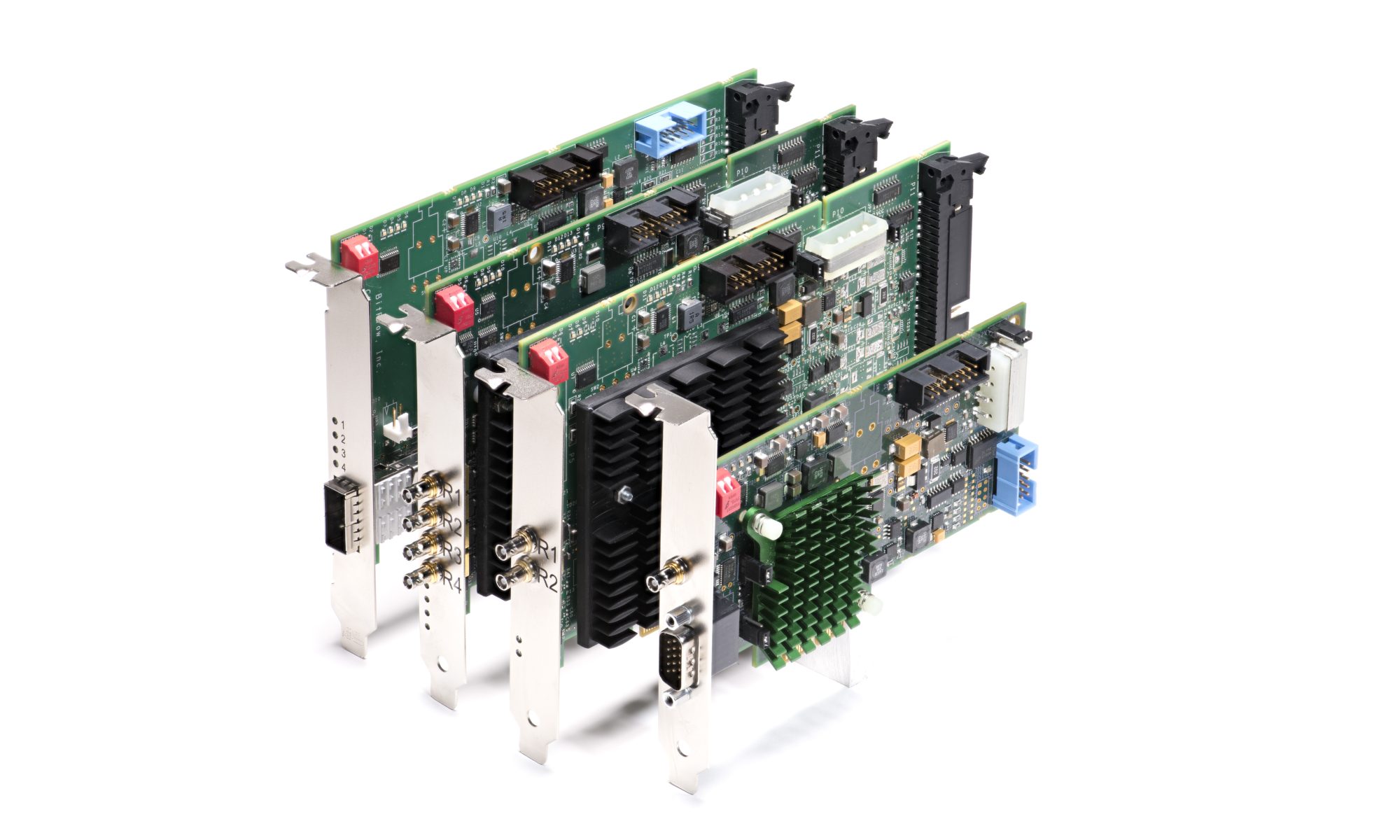
BitFlow’s entire product line, including the Axion, Aon, Claxon, and Cyton series, is shipping now. The reason: BitFlow never relied on DDR memory in the first place.

“When BitFlow adopted scatter-gather DMA for our frame grabbers, the goals were to use zero CPU cycles and guarantee the absolute minimum latency between when a pixel leaves the camera and when the user’s program can begin processing it. The fact that it also means we have no DDR dependency is paying dividends right now,” noted Donal Waide, Director of Business Development, iSystems, Advantech. “Our competitors that built their frame grabbers around commodity DRAM are on backorder. We’re not. BitFlow customers can order today and receive product.”

SUPPLY CHAIN DELAYS INTO 2027

Hyperscalers and AI infrastructure builders have locked in production capacity at Samsung, SK Hynix, and Micron, redirecting wafer capacity to high-bandwidth memory (HBM) for AI GPUs at a rate that consumes 3–4 times more silicon per gigabyte than standard DDR. The result: DDR4 production is being phased out, DDR5 supply is constrained, and the manufacturers building frame grabbers around onboard DRAM buffers are caught in the crossfire.

Supply chain conditions as of June 2026:

  • DDR4 and DDR5 lead times: 20–30+ weeks in many regions
  • DRAM supply growth running below 16% YoY while AI demand outpaces it
  • Allocation rationing is standard; some retailers are limiting purchase quantities
  • Competitors relying on onboard DDR for frame buffering are facing product availability constraints 

BITFLOW’S ANSWER: NO DDR

While other frame grabber manufacturers use DRAM/SDRAM to buffer entire images and frames, BitFlow took a fundamentally different engineering path. Rather than staging image data on expensive, supply-constrained memory chips, BitFlow’s boards move data directly to where it belongs: the host PC’s system RAM.

Waide commented, “BitFlow’s original technology for this was known as Flow Thru’ technology, and about a decade ago we created a new design called StreamSync acquisition.”

BitFlow relies on three precisely engineered components:

  • Scatter/Gather DMA Engine: A highly optimized DMA controller streams image data at full sustained throughput directly into user-allocated buffers in the PC’s system or GPU memory. Zero staging. Zero redundant copies.
  • Small FIFO Buffers: Compact, purpose-built buffers handle the asynchronous nature of the PCIe bus and manage transient data flow — not frame storage.
  • SRAM for Control Tables: Static SRAM holds VCTAB/HCTAB configuration: video timing parameters and camera control signals. This is configuration logic, not image memory, and it requires no DDR whatsoever. 

As a result, latency is eliminated, CPU overhead is slashed, and the BitFlow frame grabbers ship today, not six months from now.

BitFlow’s direct-DMA architecture supports sustained high data rates that match the demands of modern high-speed imaging interfaces including Camera Link, CoaXPress, and others. For machine vision, semiconductor inspection, life sciences, and defense applications where throughput and determinism are non-negotiable, the BitFlow design delivers:

  • Sustained high-bandwidth data transfers directly to host system memory
  • Eliminated frame transfer latency versus onboard-buffer designs
  • Reduced CPU overhead through hardware-managed DMA
  • Native compatibility with GPU-direct workflows where applicable.

AVAILABLE NOW

BitFlow frame grabbers are in production and available for immediate order.

BitFlow Frame Grabber Helps Researchers Generate 3D Structural Images of Biological Tissues

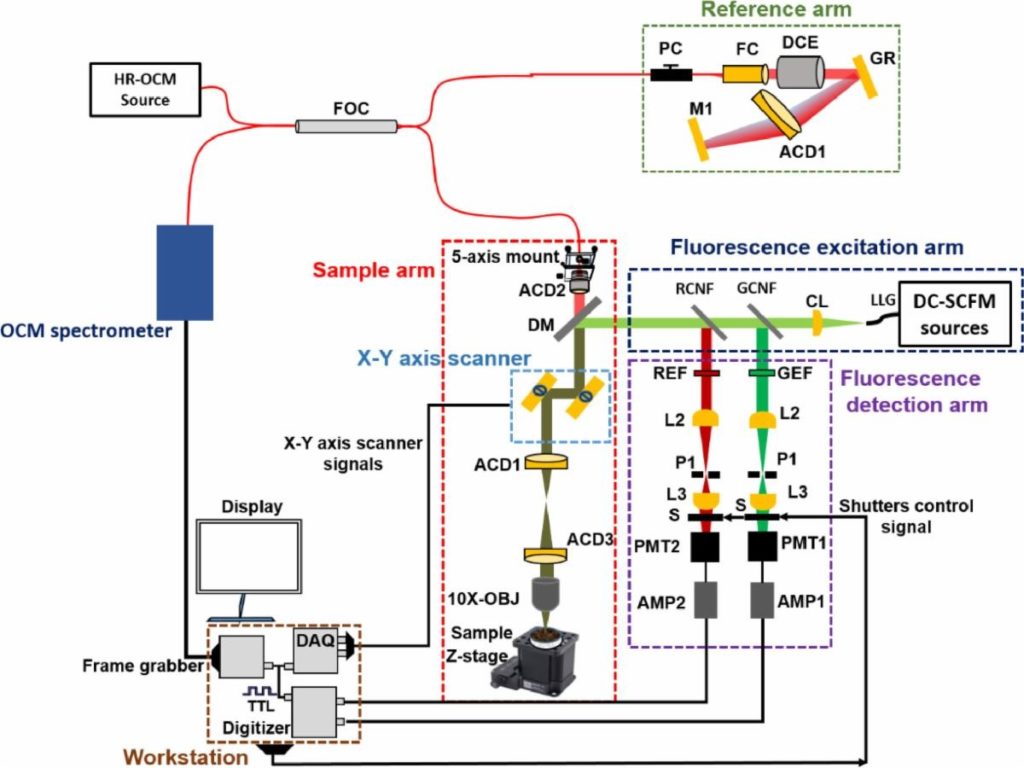
WOBURN, MA, JANUARY 24, 2022 — Biology researchers at Indiana University1 have developed an integrated system combining high-resolution optical coherence microscopy (HR-OCM) with dual-channel scanning confocal fluorescence microscopy (DC-SCFM) to enable 3D visual evaluation of cell activities involved in pupil developmental and disease conditions. Still in its experimental stages, this dual-modality 3D system simultaneously co-registers reflectance and fluorescence signals, giving it the ability to accurately track structural and functional changes in live specimens over time. Indiana University researchers hope to use their system to enable new investigations of biological processes in small animal models.
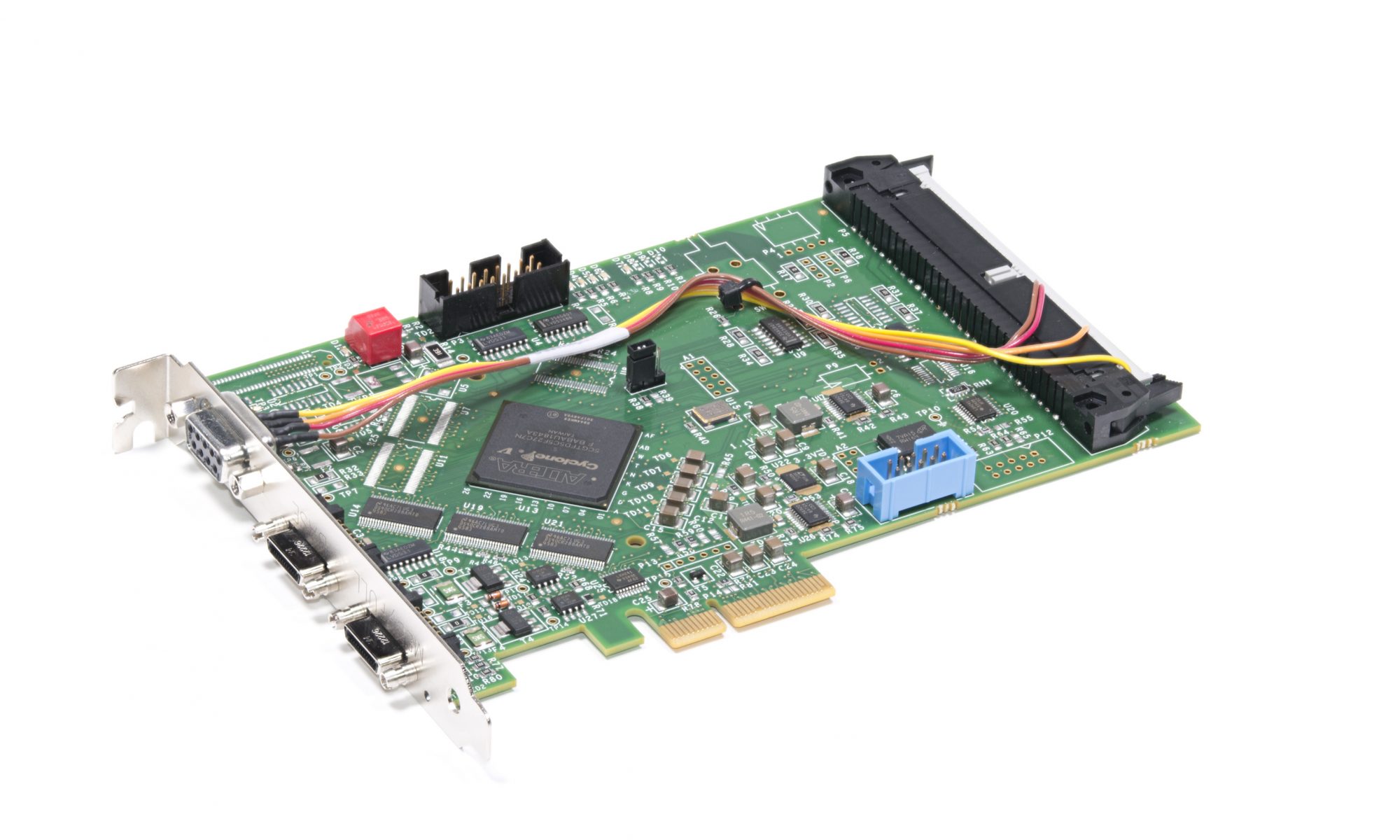
BitFlow Axion Camera Link frame grabber is a critical component of the hybrid system. It acquires the output signal from a spectrometer equipped with a Teledyne e2v high-speed line-scan camera operating at the rate of 250 kHz. A lateral resolution of 2-μm and axial resolution of 2.4-μm is captured in tissue over a field-of-view of 1.1 mm ×1.1 mm. The analog scanning signals, as well as the trigger signals for the BitFlow frame grabber, are generated synchronously through a four-channel analog output data acquisition card. Simultaneous recording of HR-OCM and DC-SCFM data was performed using custom software developed in LabVIEW 2017.
As data generated by faster, higher-resolution Camera Link cameras continues to grow exponentially, the Axion’s PCIe Gen 2 interface, with its StreamSync™ DMA optimized for modern computers, is needed to optimize their full performance. Features such as easier switching between different tap formats, a powerful acquisition engine, and a more flexible I/O and timing generator are all readily available in a dedicated low cost CL Base orientated frame grabber.
During development, researchers applied different strategies to enable the simultaneous recording of information, as well as to overcome the focal plane mismatch between both imaging modalities. The system’s performances were evaluated in imaging fluorescence microspheres embedded in multi-layer tape and silicone phantom. 
The combined system is synergistic in generating structural and functional information of samples; the DC-SCFM allows for the discrimination between different fluorophores, while the HR-OCM enables the 3D localization of the features inside tissue samples and enabled the depth localization.

1 “Development of high-speed, integrated high-resolution optical coherence microscopy and dual-channel fluorescence microscopy for the simultaneous co-registration of reflectance and fluorescence signals” Reddikumar Maddipatla, PatriceTankam School of Optometry, Indiana University, Bloomington, IN 47405, USA

System diagram