AI-Driven Machine Vision Systems with NVIDIA GPU Performance

CXP Family

BitFlow Claxon Frame Grabbers accelerate AI-Driven machine vision systems with NVIDIA GPU performance. Full CoaXPress 2.0 throughput and direct GPU integration put real-time AI Inference within reach of vision engineers.

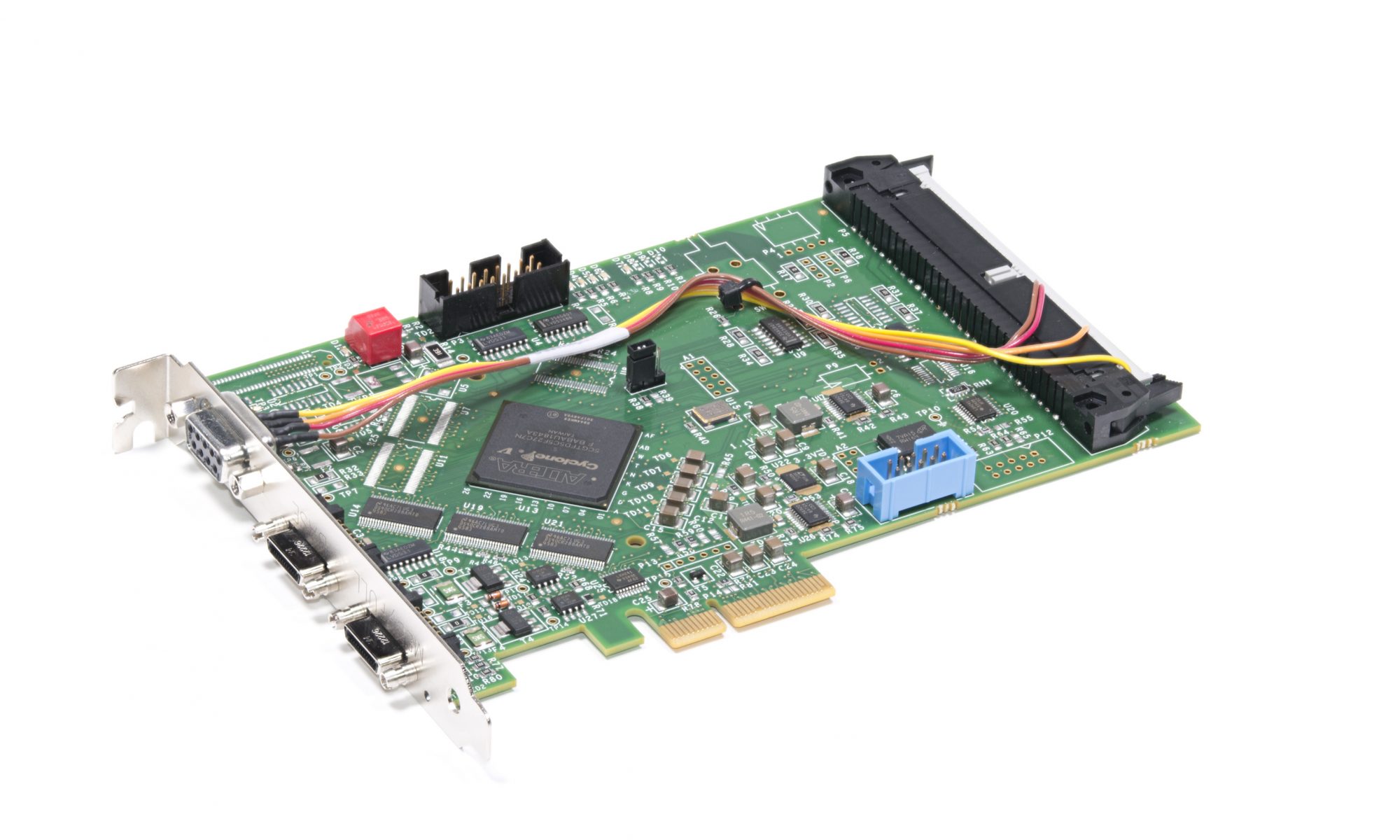
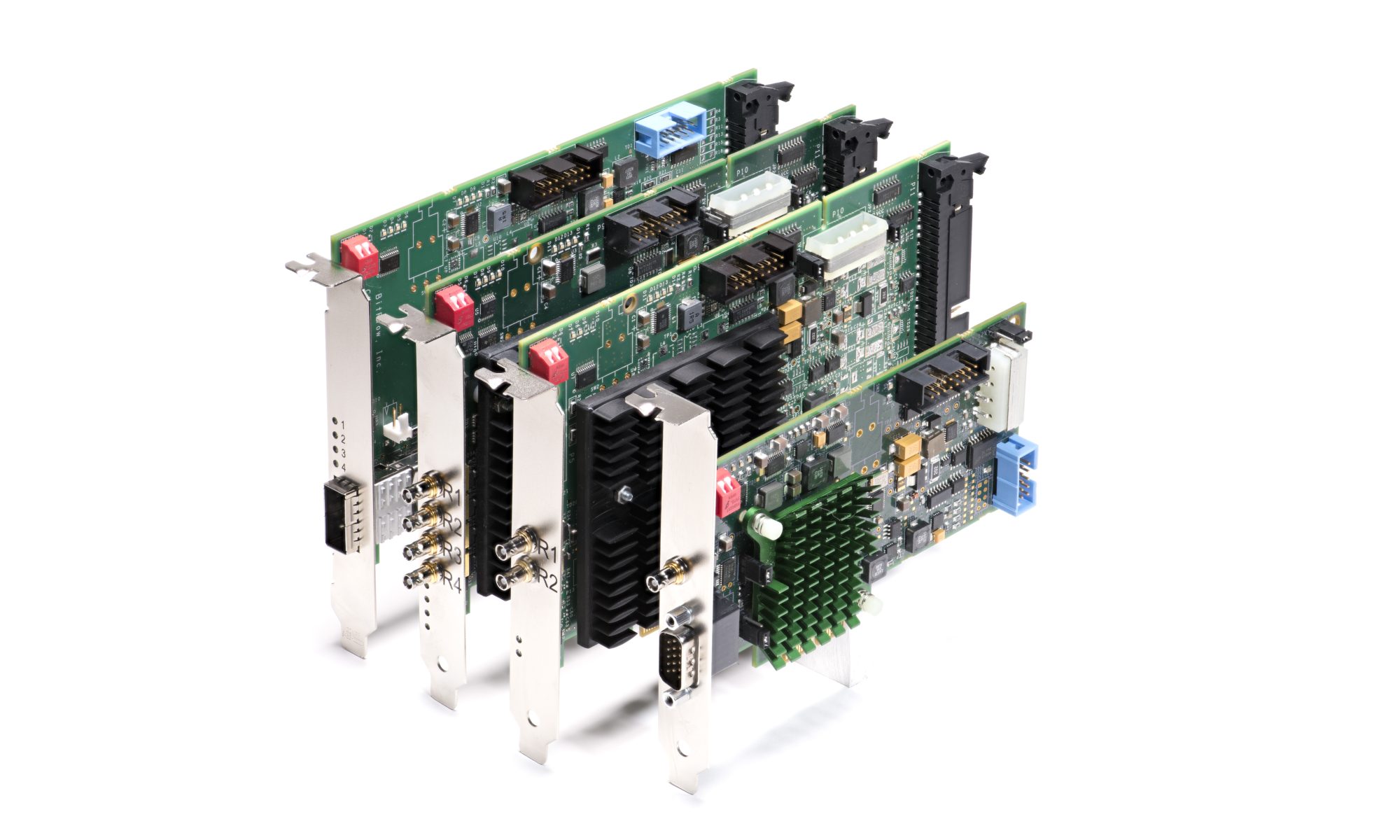
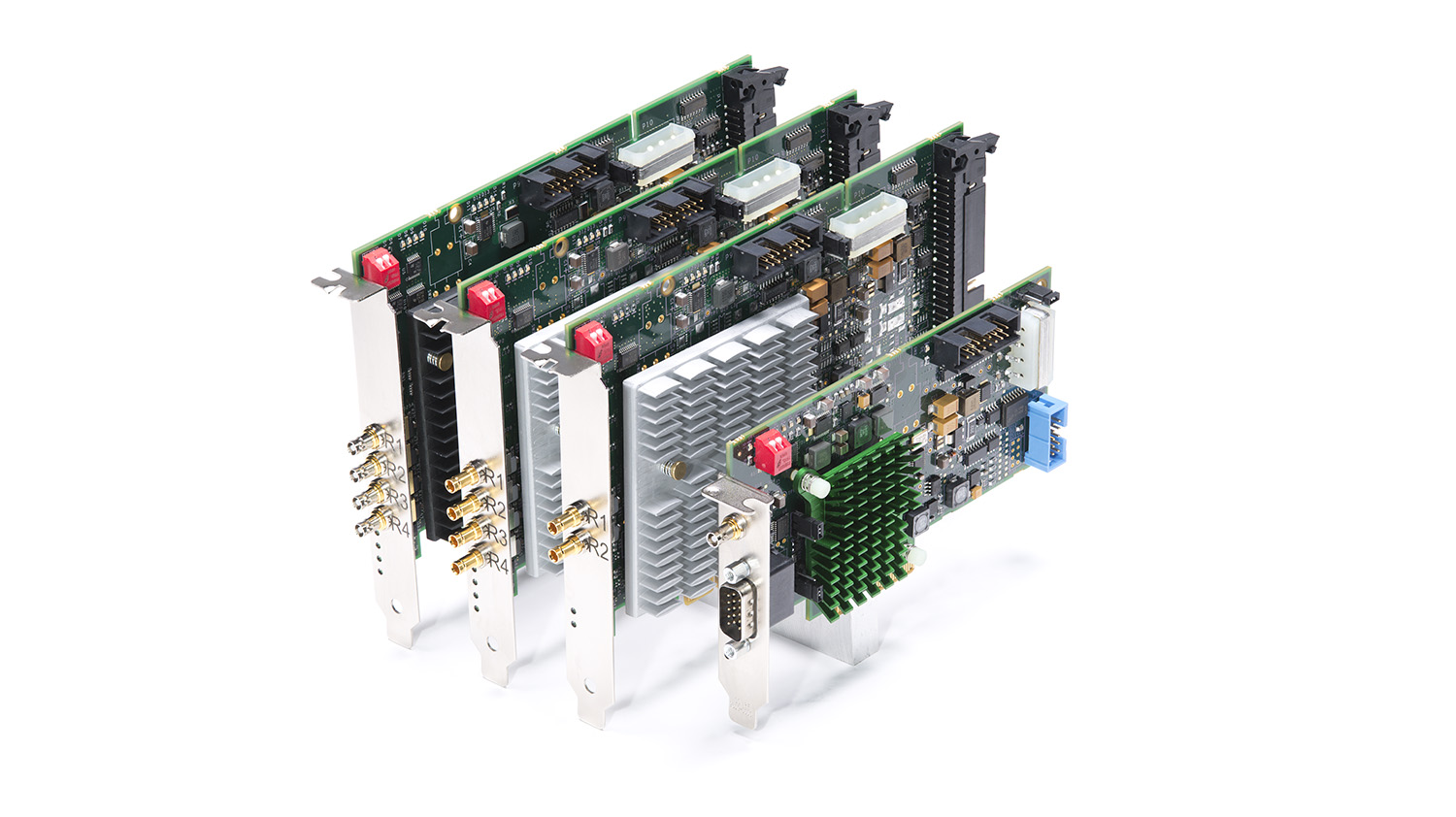
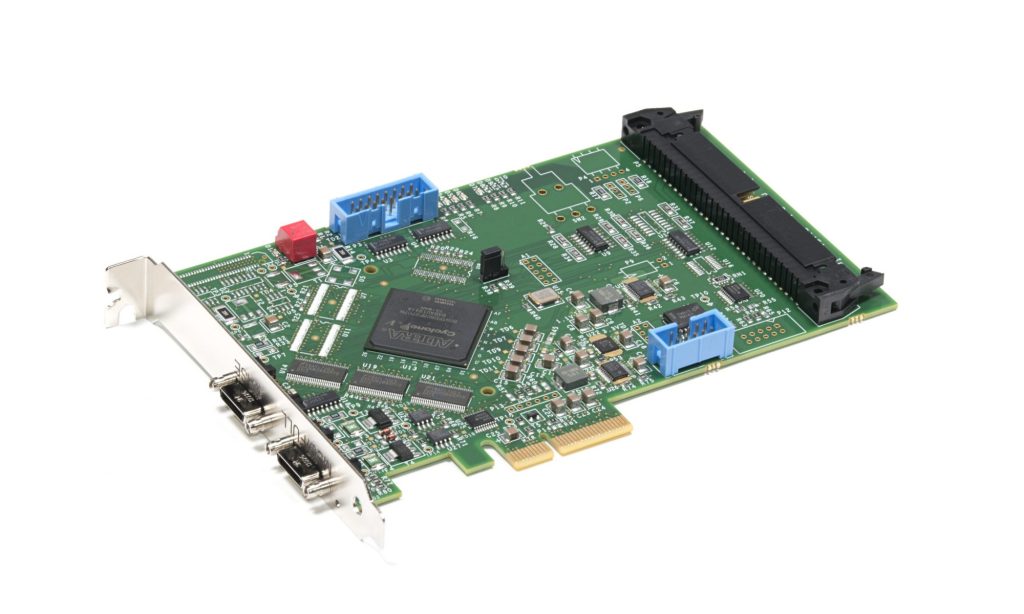
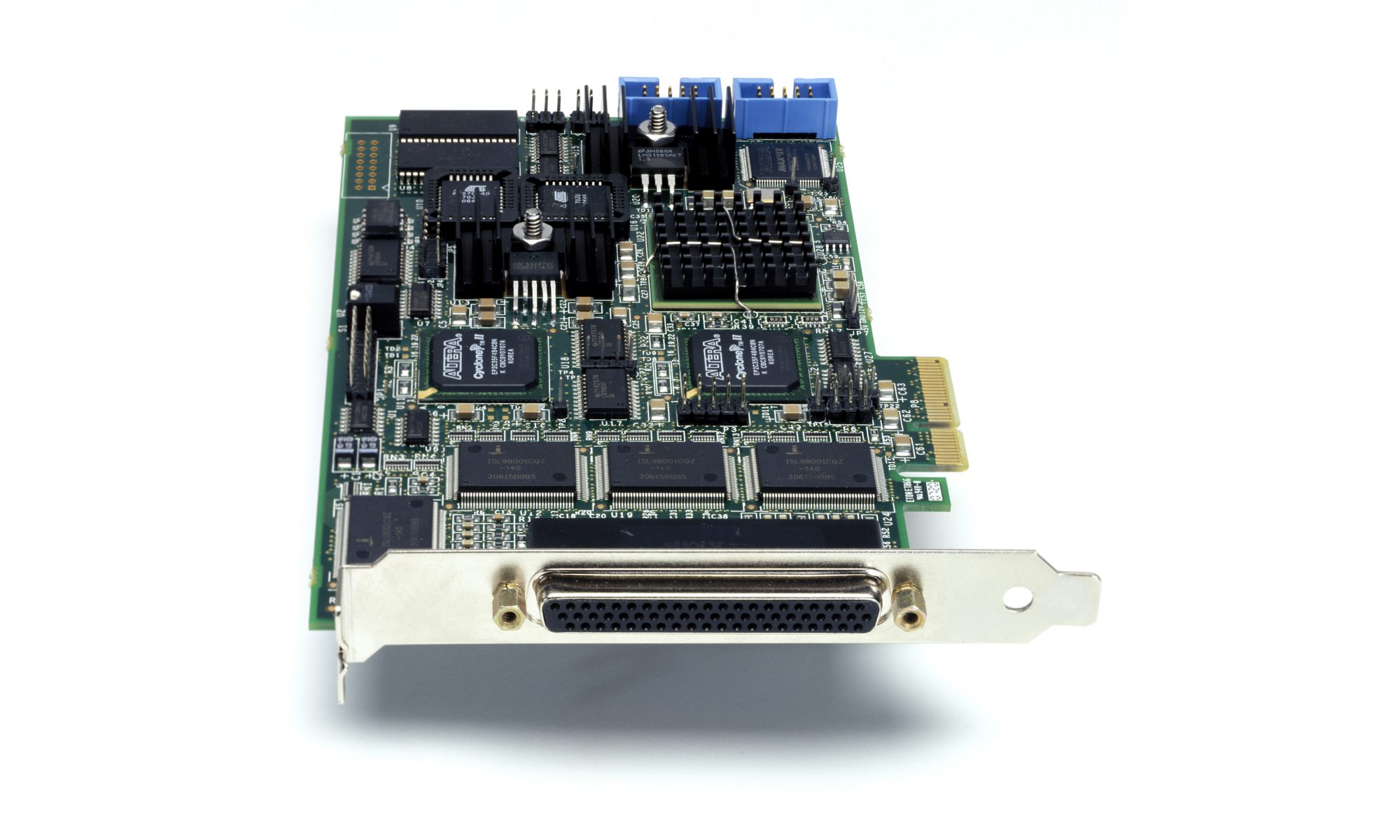
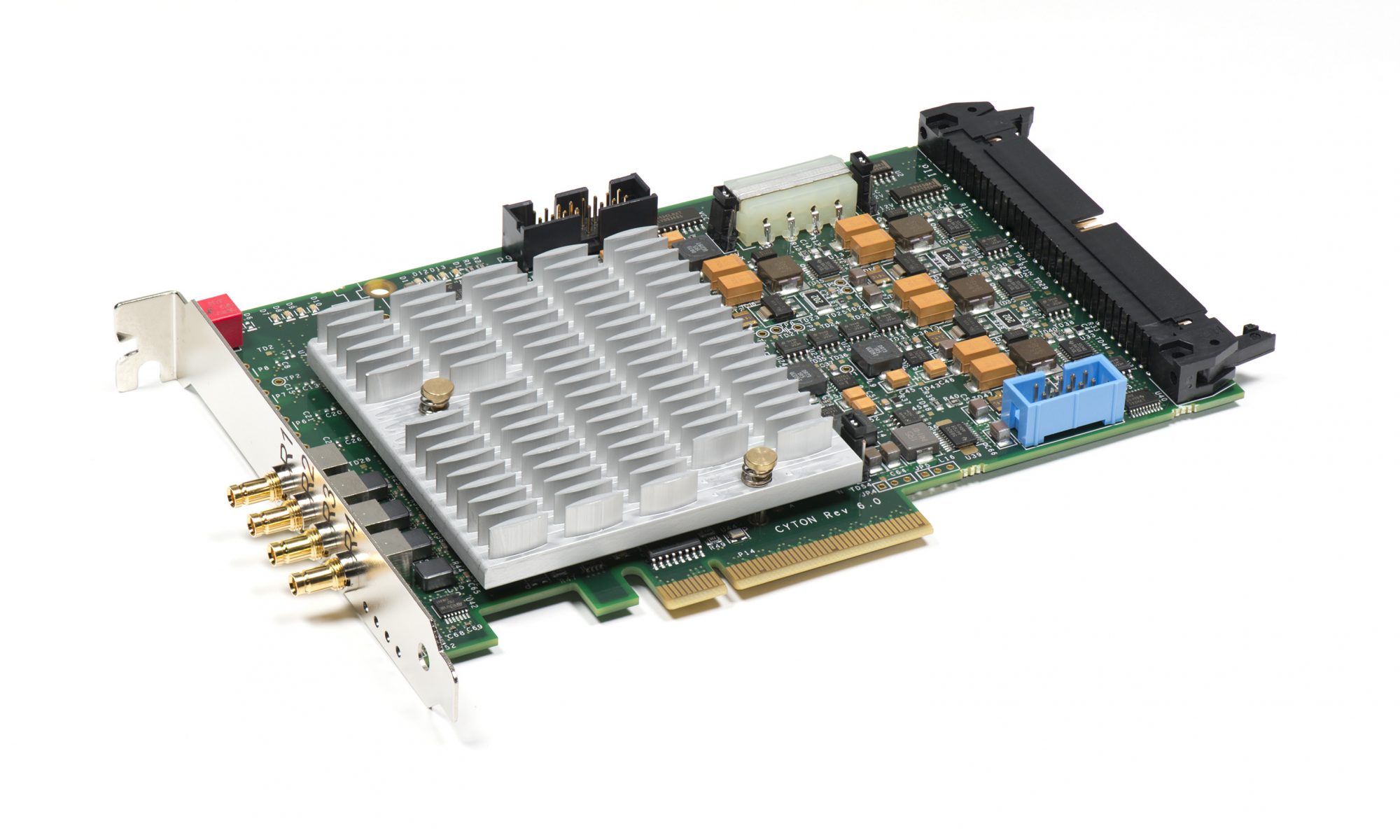
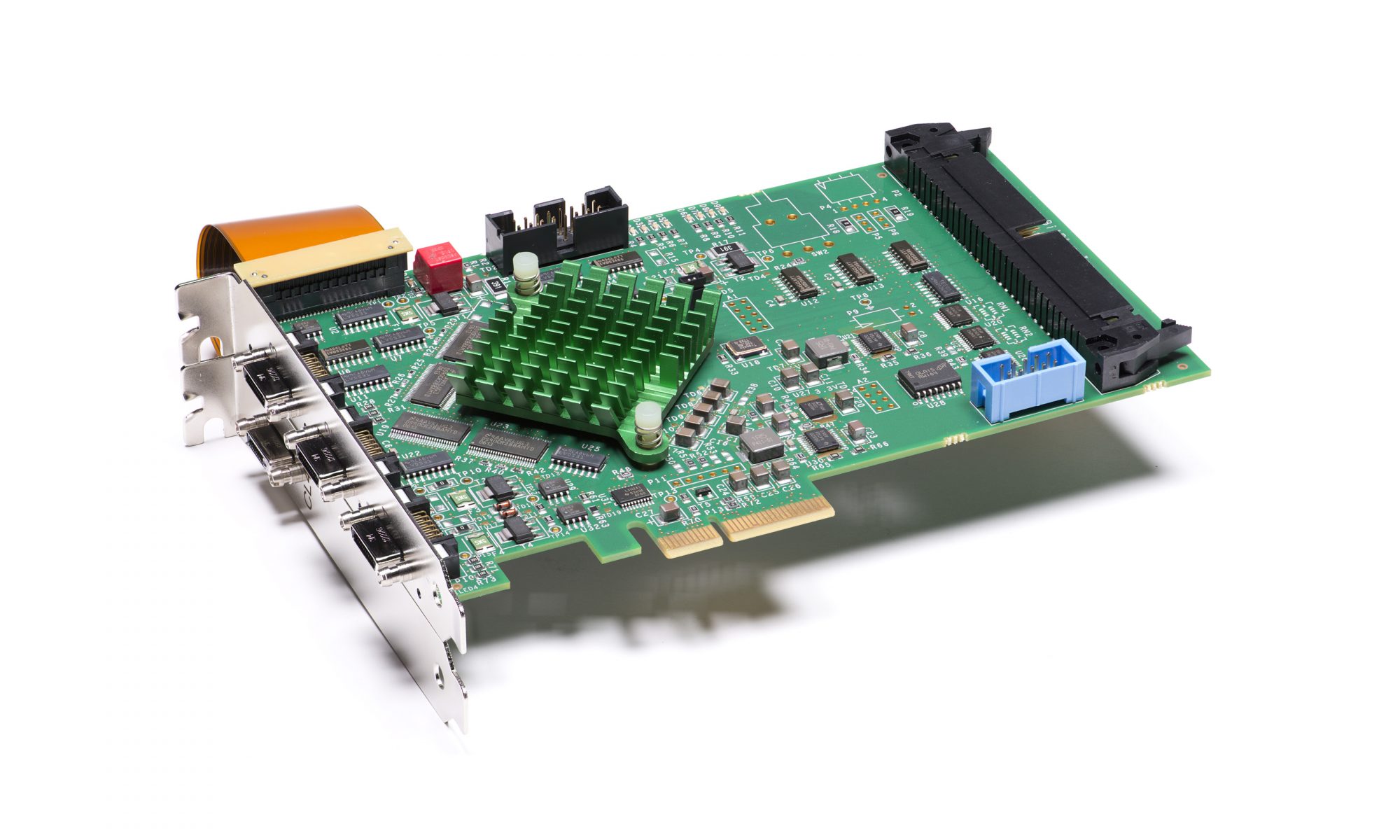
BitFlow, a world leading manufacturer of industrial frame grabbers and a division of Advantech, has announced the full production availability of its Claxon CXP-12 frame grabbers purpose-built for high-speed machine vision systems integrating NVIDIA GPU-accelerated AI inference. The Claxon lineup spans five models — from the single-link Claxon CXP1 and quad-link Claxon CXP4 to the long-reach Claxon Fiber — giving system designers flexible solutions for every deployment scenario.

Artificial intelligence vision pipelines running on NVIDIA GPUs can deliver hundreds to thousands of TOPS in low-precision inference, enabling hundreds of images per second on real-time models like YOLO, with somewhat lower throughput on models like RetinaNet depending on the specific GPU and optimizations. Yet even the fastest GPU will sit idle if image data cannot reach it quickly enough. Standard GigE Vision is limited to ~1 Gbps, while 10 GigE Vision tops out at 10 Gbps. USB3 Vision offers only a fraction of that. CoaXPress 2.0 (CXP-12), by contrast, delivers 12.5 Gbps per link over standard coaxial cable, with link aggregation scaling to 50 Gbps across four links — five times the throughput of 10 GigE Vision and without the variable latency and overhead of Ethernet network stacks.

BitFlow’s Claxon frame grabbers are built on the CXP-12 standard from the ground up. Each board implements the full CoaXPress 2.0 specification, not a subset, which means system designers gain access to every capability the standard offers: simultaneous multi-camera capture, Power Over CoaXPress (13W per link), a 41.6 Mbps low-speed uplink for camera control, and full GenICam support for standardized camera configuration. The result is a deterministic, high-bandwidth data path that feeds GPU memory at the rate modern AI models demand.

“A machine vision system designer can only experience the full potential of CXP 2.0 by having access to all its capabilities,” Donal Waide, Director of Business Development – iService, BitFlow. “With the Claxon family paired to an NVIDIA GPU platform, the image data path finally matches the inference engine’s appetite. There is no artificial ceiling on throughput.”

One Architecture. Every Application.

The BitFlow Claxon family’s half-size, low-profile x8 PCIe Gen 3 form factor slots directly into standard workstations, compact industrial PCs, and NVIDIA GPU platforms. In addition, Advantech offers several AI inference systems and industrial computers that are designed to be compatible with BitFlow frame grabbers, particularly for high-speed machine vision applications. Several Advantech AI inference systems and industrial computers feature NVIDIA GPUs or support NVIDIA GPU expansion for processing.

Engineers selecting a Claxon board choose the channel count that matches their camera configuration, not a board constrained by arbitrary feature cuts:

Claxon CXP1 — Single-link CXP-12 at 12.5 Gbps. The right choice for high-resolution single-camera inspection cells where PCIe slot count is at a premium.

Claxon CXP2 — Dual-link CXP-12 supporting two single-link cameras simultaneously at 12.5 Gbps each, or one dual-link camera at a combined 25 Gbps. Ideal for stereo vision, dual-angle inspection, and 3D reconstruction workloads.

Claxon CXP4 — Quad-link CXP-12 supporting four single-link cameras (12.5 Gbps each), two dual-link cameras (25 Gbps each), or one quad-link camera at 50 Gbps aggregate. With four cables and four CXP-12 cameras active, the maximum data transfer rate reaches 5 GB/s — the highest single-board acquisition rate in the industry. This board is available in two options to accommodate current demand. Both options, while identical in format, make use of an Altera and a Xilinx FPGA design.

Claxon CXP4-V — Architecturally identical to the CXP4 but equipped with active ventilation to manage FPGA thermal output in small-form-factor, fanless industrial computers where natural airflow is insufficient. A field-proven design for embedded AI vision nodes deployed in harsh environments.

Claxon Fiber (CoF) — Extends CoaXPress over QSFP+ fiber cable assemblies, supporting one quad-link, two dual-link, or four single-link CoF cameras at distances exceeding one mile. Fiber is immune to electromagnetic interference, making the Claxon Fiber the preferred choice for vision systems operating near high-voltage equipment, in broadcast facilities, or within large-scale factory floors where coaxial cable runs are impractical.

From Camera to CUDA: Closing the Loop on AI Inference Latency

Claxon frame grabbers are engineered to integrate directly with NVIDIA GPU platforms, including systems built on the NVIDIA Jetson AGX Orin. In a validated reference design with Advantech’s MIC-733-AO AI edge computer, the Claxon CXP4 and Claxon Fiber boards connect to an optional PCIe x8 iModule that slots directly into the NVIDIA Jetson carrier, placing frame-accurate image data on the GPU memory bus with minimal CPU intervention. NVIDIA TensorRT inference pipelines then operate on live image buffers without the memory-copy overhead that plagues USB or GigE-based designs.

For data center-class GPU workstations running NVIDIA RTX or Data Center GPU families, the Claxon’s PCIe Gen 3 x8 bus interface feeds image data directly into GPU-accessible system memory via BitFlow’s SDK, which supports buffer management APIs in C, C++, C#, and Python. Computer vision engineers can pipe raw image buffers into CUDA processing kernels, PyTorch data loaders, or TensorRT execution engines with minimal latency added at the acquisition stage.

Software That Doesn’t Make Integration a Second Job

The BitFlow SDK supports both Windows and Linux, covering the breadth of operating environments found in modern AI vision deployments. Drivers are available for leading third-party vision environments including HALCON, LabVIEW, VisionPro, and MATLAB. Full GenICam compliance means any GigE Vision-standard camera configuration tool works with Claxon-connected cameras out of the box. Critically, the Claxon’s architecture is a direct evolution of BitFlow’s prior-generation Cyton CXP platform — users migrating from CXP 1.1 systems can swap in Claxon boards and retain existing software without rewriting acquisition code or reconfiguring triggering logic.

BitFlow Frame Grabber Selected by NASA for Space Radiation Testing of InGaAs Infrared Camera

BitFlow, Inc., a division of Advantech, today announced that its Axion-CL Camera Link frame grabber was selected by engineers at NASA’s Goddard Space Flight Center as the ground-based interface device in a system-level Single Event Effects (SEE) test campaign. The work, conducted under a NASA Technical Memorandum and sponsored by the NASA Electronic Parts and Packaging (NEPP) Program, subjected a Princeton Infrared Technologies (PIRT) 1280MVCam InGaAs shortwave infrared (SWIR) camera to one of the most demanding radiation environments achievable on the ground.

Testing was executed at NASA’s Space Radiation Laboratory (NSRL) at Brookhaven National Laboratory. The device under test was the PIRT 1280MVCam – a backside-illuminated, substrate-removed InGaAs focal plane array delivering 1280×1024 resolution with 12 μm pixel pitch and 14-bit analog-to-digital conversion. There, it was irradiated with high-energy heavy ion beams including iron (Fe), silver (Ag), and terbium (Tb) species at energies reaching 575 MeV/nucleon. The objective: qualify a COTS camera system as a candidate for space-based instrumentation in the Aerosol Radiometer for Global Observation of the Stratosphere (ARGOS) program. ARGOS is a compact NASA-supported instrument designed to measure stratospheric aerosols using limb scattering.

At the center of the test architecture, the BitFlow Axion-CL frame grabber served as the sole communication and data acquisition link between the irradiated camera system and the control computer. Installed in a host computer positioned adjacent to the beam port, the frame grabber interfaced with the PIRT 1280MVCam via the Camera Link standard, enabling continuous real-time image capture and system command transmission throughout each irradiation run, all while the device under test was exposed to ion flux. The Camera Link connection simultaneously carried both image frame data and serial command traffic, allowing NASA engineers to monitor Single Event Functional Interrupt signatures in captured pixel data and query system configuration registers pre- and post-irradiation in a single unified interface.

The technical demands of the test environment were exceptional. The camera system was positioned directly in the ion beam, with the BitFlow frame grabber and host computer located in an adjacent shielded cave and controlled remotely via 100-foot Ethernet cable runs and signal extenders. The Camera Link interface had to maintain data integrity across this extended topology while the device under test operated under continuous bombardment from ions with high linear energy transfer (LET) values at the device surfaces across three stacked printed circuit boards.

The Axion 1xE (PCIE-1121-AE) that was used in this project.

The test campaign generated actionable engineering intelligence: persistent SEFIs were detected at the lowest tested LET threshold, with system communication failures occurring within minimal fluence exposures, informing NASA’s component screening strategy for future ARGOS mission hardware. Throughout all seven irradiation runs, from the first iron-beam exposures through the final unrecoverable system failure event, the BitFlow frame grabber and Camera Link data path provided uninterrupted acquisition fidelity, enabling the full data set that underpins the published NASA Technical Memorandum.

ARGOS launched on March 15, 2025, aboard a SpaceX Transporter-13 rideshare mission from Vandenberg Space Force Base.

“When NASA engineers design a radiation test environment where every data packet counts and no failure of the acquisition chain is permissible, they turn to BitFlow. Being specified into NASA’s NEPP program test infrastructure is a powerful validation of the reliability and technical depth that BitFlow delivers at the system level.” – Donal Waide, Director of Business Development, iSystems, Advantech.

BitFlow Alta Frame Grabbers Deliver 11 Years of Uninterrupted Performance in Atmospheric Research

Alta AN4 frame grabber

The legacy analog imaging technology continues to power cutting-edge aerosol particle analysis at ETH Zurich.

WOBURN, MA, Jan. 7, 2026 — BitFlow, Inc., a leading manufacturer of high-performance frame grabbers and a business unit of Advantech, is highlighting the exceptional longevity and reliability of its Alta-AN analog frame grabber series, with two boards operating continuously since 2014 in a critical atmospheric research application at ETH Zurich’s Institute for Atmospheric & Climate Science in Switzerland.

Dr. Ulrich Krieger and his research team have been utilizing two BitFlow Alta frame grabbers—the first purchased in 2008—to capture, control and measure single levitated particles suspended in an electrodynamic balance. The boards, paired with analog JAI cameras, recently transitioned seamlessly to a new Windows 11 PC platform, demonstrating remarkable forward compatibility despite the original hardware’s vintage.

Precision imaging for next-generation particle analysis

The ETH Zurich team is pioneering a novel methodology for analyzing two-dimensional angular light-scattering patterns of individual aerosol particles through advanced image processing techniques. This research requires the rock-solid stability and precise analog signal acquisition that the Alta-AN platform delivers—frame after frame, year after year.

A micron sized particle in an EDB illuminated with a 532 nm laser
A micron sized particle in an EDB illuminated with a 532 nm laser. (Credit: ETH Zurich)

Engineering excellence that endures

Introduced in 2007, the BitFlow Alta-AN represented the pinnacle of versatile analog frame grabber technology during its production run. Engineered to acquire from virtually any analog camera—from high-speed asynchronous-reset monochrome sensors to super high-resolution color HDTV cameras—the Alta series combined exceptional image quality with the flexibility demanded by scientific and industrial imaging applications.

Built on the PCI Express bus architecture and backed by comprehensive SDK support and drivers for major imaging software packages, Alta frame grabbers set the standard for reliable, high-quality analog video acquisition.

Strategic technology evolution

BitFlow discontinued the Alta product line in 2017 to focus resources on advancing CoaXPress technology and expanding its CameraLink interface card portfolio—strategic decisions that have positioned the company at the forefront of modern digital imaging interfaces.

“This installation exemplifies the build quality and engineering rigor that define BitFlow products,” said Donal Waide, director of Business Development, iSystems, Advantech. “When research teams depend on continuous operation for multi-year scientific studies, there’s no room for compromise—and Alta continues to prove its worth in the most demanding applications.”

CoaXPress Interface Accelerates Video Streaming in Deep-Tissue Microscopy

BitFlow’s CXP frame grabber transfers image data at 500 frames per second– five times the standard speed

October 17th, 2025 – Within machine vision circles, CoaXPress (CXP) is recognized as the fastest, most reliable interface for transmission of video images from a camera to a host PC. Boasting data transfer speeds up to 12.5 Gigabits (Gbps) per second over a single coaxial cable–along with the necessary power, communication and control–CXP is unmatched in performance or simplicity. CXP’s high speeds and usage of standard coaxial cables has garnered interest outside of the industrial sector in applications as diverse as defense, broadcast, medical imaging and life sciences.

For instance, scientists at the Center for Physical Sciences and Technology (Vilnius, Lithuania) recently developed a new optical microscopy technique leveraging CXP that is a promising alternative to conventional OCT (Optical Coherence Tomography). Their new Dynamic Full-Field Optical Coherence Microscopy (d-FF-OCM) system achieves higher resolution, non-invasive imaging deep within body tissues, a capability that is critical to understanding basic biological processes and advancing clinical diagnoses. Along with a BitFlow CXP frame grabber, the d-FF-OCM system employs an extremely bright, incoherent laser-pumped white light source providing ample intensity to biological samples under inspection.

Light is delivered to the microscope by a multimode fiber and sent to an interferometer composed of a 50/50 beamsplitter and two 100x oil immersion objectives. Additional system components include a transitional stage with stepper motor, a reference mirror mounted on a piezo stack, an NI DAQ card and the microscope.

Data acquisition

Data transfer plays a pivotal role in system performance. Biological image data is captured by an Adimec 2-megapixel CMOS camera that is managed and transferred by a BitFlow Cyton-CXP4 PCIe CoaXPress frame grabber . When all four of the frame grabber’s links were connected to the camera by separate coax cables, the scientists found it possible to transfer data at 25 Gbps with virtually no latency. Driven by the BitFlow CXP frame grabber, the system acquires 1440 × 1440 resolution images at 500 frames-per-second (fps) with a field-of-view of 173 µm × 173 µm, instead of the typical 100 fps in similar scanning systems. This allows frequency analysis to be extended from the standard 30-50Hz to 250Hz.

Faster dynamic processes resulted in the generation of fluorescence-like contrasted d-FF-OCM images that better separated structures within the biological samples for analysis. Once sent to the PC, data was analyzed in a customized LabVIEW application in real time. Each pixel is colored according to its relative spectral content and stacked into layers to create an RGB image. Tests on ex vivo mouse tissue, including liver and small intestines, demonstrated deep tissue high-resolution imaging free from coherent artifacts. The superior results underscore the value of the CXP interface in achieving extremely fast transfer rates from camera to PC.

The scientists believe that the d-FF-OCM system is poised to play a growing role in advancing personalized medicine, enabling earlier and more precise diagnostics and facilitating a deeper understanding of disease mechanisms.

BitFlow and Advantech Develop Systems to Improve Quality, Reduce Waste and Increase Yield

Axion 4xB

September 18, 2025 – In the relentless pursuit for near-zero defects per million (DPM), many manufacturers are turning to Industrial Vision AI for fully automating their inspection processes. Unlike traditional machine vision that relies on rigid, rule-based systems, Vision AI has the agility to learn, adapt and handle day-to-day variability. Using high-resolution imaging technologies, AI algorithms, and real-time processing, Vision AI achieves precise, reliable defect detection for meeting rigorous global standards.
 
One sector aggressively deploying Vision AI is semiconductor fabrication. Manufacturing semiconductors involves multiple steps like deposition, etching, doping, and lithography. During each step, Vision AI is used to identify imperfections that could lead to downstream issues. Along with pinpointing scratches, pattern errors, or particles on wafers, Vision AI inspects etched features at the nanometer scale, verifies uniformity in material deposition, and confirms perfect metallization. For chips requiring soldering or bonding, Vision AI precisely monitors alignment in die bonding, wire bonding, and solder joints. Because of this, Vision AI has proven to improve yield and minimize costly waste.
 

Optical inspection

For more than a decade, Advantech has driven innovation in Vision AI. Its advanced systems are supercharged by AI Edge servers featuring Intel Xeon scalable processors and leveraging multiple NVIDIA GPU cards to accelerate inspection without compromising performance.
 
In 2023, we  became part of the Advantech family. Its CoaXPress (CXP) and Camera Link interface frame grabbers are now being deployed in Advantech Vision AI, taking these industry-leading systems to the next level in image acquisition. BitFlow frame grabbers are making it possible for Advantech Vision AI to capture and analyze ultra high-resolution images without experiencing latency or frame loss, even in multi-camera setups. BitFlow’s diverse range of frame grabbers also enables the configuration of modular and scalable Advantech Vision AI systems customized to a manufacturer’s unique processes.
 
Working example
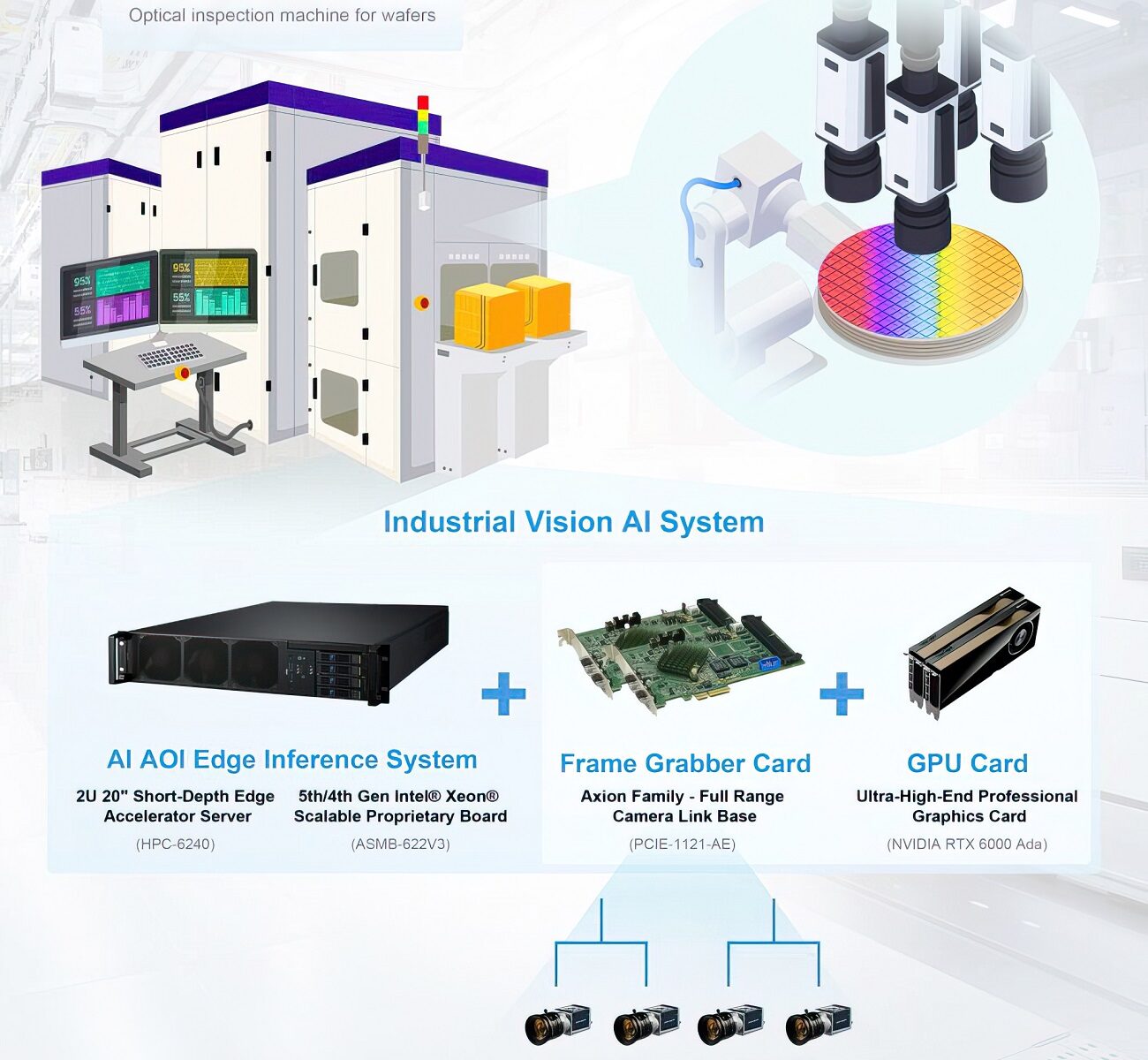
As an example, let’s explore an Advantech Vision AI solution integrated into an optical inspection machine in a semiconductor fabrication plant. Components include:  

  • AI AOI Edge Inference system: Advantech HPC-6240 2U 20” Short-Depth Edge Accelerator Server and ASMB-622V3 5th/4th Generation Intel™ Xeon™ Scalable Proprietary Board supporting 8 expansion slots. 
  • Frame Grabber Card: BitFlow Axion Camera Link half-size x4 PCI Express Gen 2.0 frame grabber connected to multiple high-resolution Camera Link cameras 
  • GPU Card: NVIDIA RTX 6000 Ada high-end professional graphics cards handle complex AI computations in visual inspections. 
  • Cameras: Axion-CL frame grabbers support as many as four Camera Link cameras in base, medium, full or 80-bit formats. CL cameras can be synchronized or completely independent, operating at speeds up to 85 MHz.

Faster throughput is possible by substituting the Camera Link interface components for a BitFlow Aon, Cyton or Claxon CoaXPress (CXP) frame grabber capable of accelerating transmission speeds to 12.5 Gb/s per link, depending on the model. BitFlow CXP frame grabbers work seamlessly with the Advantech AIR-030 AI Inference System Box based on the NVIDIA Jetson AGX Orin, or the Advantech MIC-770 Compact Fanless System, or several other Advantech IPC options. 
 
Industrial Vision AI is revolutionizing modern manufacturing by providing a powerful tool for enhancing product quality and operational efficiency. Frame grabbers are a lynchpin in Vision AI, especially in real-time applications requiring latency-free, reliable data transfer.

Vision AI is Transforming Automated Optical Inspection

WOBURN, MA, AUGUST 13, 2025 — In the relentless pursuit for near-zero defects per million (DPM), many manufacturers are turning to Industrial Vision AI for fully automating their inspection processes. Unlike traditional machine vision that relies on rigid, rule-based systems, Vision AI has the agility to learn, adapt and handle day-to-day variability. Using high-resolution imaging technologies, AI algorithms, and real-time processing, Vision AI provides precise, reliable defect detection for meeting rigorous global standards.

One sector aggressively deploying Vision AI is semiconductor fabrication. Manufacturing semiconductors involves multiple steps like deposition, etching, doping, and lithography. During each step, Vision AI is used to identify imperfections that could lead to downstream issues. Along with pinpointing scratches, pattern errors, or particles on wafers, Vision AI inspects etched features at the nanometer scale, verifies uniformity in material deposition, and confirms perfect metallization. For chips requiring soldering or bonding, Vision AI precisely monitors alignment in die bonding, wire bonding, and solder joints. Because of this, Vision AI has proven to improve yield and minimize costly waste.

OPTICAL INSPECTION

For more than a decade, Advantech has driven innovation in Vision AI. Its advanced systems are supercharged by AI Edge servers featuring Intel Xeon scalable processors and leveraging multiple NVIDIA GPU cards to accelerate inspection without compromising performance.

In 2023, we became part of the Advantech family. Our CoaXPress (CXP) and Camera Link interface frame grabbers are now being deployed in Advantech Vision AI, taking these industry-leading systems to the next level in image acquisition. BitFlow frame grabbers are making it possible for Advantech Vision AI to capture and analyze ultra high-resolution images without experiencing latency or frame loss, even in multi-camera setups. Our diverse range of frame grabbers also enables the configuration of modular and scalable Advantech Vision AI systems customized to a manufacturer’s unique processes.

WORKING EXAMPLE

As an example, let’s explore an Advantech Vision AI solution integrated into an optical inspection machine in a semiconductor fabrication plant. Components include:  

  • AI AOI Edge Inference system: Advantech HPC-6240 2U 20” Short-Depth Edge Accelerator Server and ASMB-622V3 5th/4th Generation Intel™ Xeon™ Scalable Proprietary Board supporting 8 expansion slots. 
  • Frame Grabber Card: Axion 4xB Camera Link half-size x4 PCI Express Gen 2.0 frame grabber connected to multiple high-resolution Camera Link cameras 
  • GPU Card: NVIDIA RTX 6000 Ada high-end professional graphics cards handle complex AI computations in visual inspections. 
  • Cameras: Axion-CL frame grabbers support as many as four Camera Link cameras in base, medium, full or 80-bit formats. CL cameras can be synchronized or completely independent, operating at speeds up to 85 MHz.

Faster throughput is possible by substituting the Camera Link interface components for a BitFlow Aon™, Cyton™ or Claxon™ CoaXPress (CXP) frame grabber capable of accelerating transmission speeds to 12.5 Gb/s per link, depending on the model. BitFlow CXP frame grabbers work seamlessly with the Advantech AIR-030 AI Inference System Box based on the NVIDIA Jetson AGX Orin, or the Advantech MIC-770 Compact Fanless System, or several other Advantech IPC options. 

Industrial Vision AI is revolutionizing modern manufacturing by providing a powerful tool for enhancing product quality and operational efficiency. Frame grabbers are a lynchpin in Vision AI, especially in real-time applications requiring latency-free, reliable data transfer.

BitFlow CoaXPress Frame Grabber Aids in SuperKEKB Particle Accelerator Beam Failure Troubleshooting

 The SuperKEKB particle accelerator in Tsukuba, Japan, was constructed to achieve the highest particle collision rates in the world, enabling next-generation investigation of fundamental physics. SuperKEKB is unique in its employment of a nano-beam scheme that squeezes beams to nanometre-scale sizes at the interaction point, along with the use of a large crossing angle between the colliding beams to enhance electron–positron collision efficiency.

In its quest to reach the world’s highest collision rates, SuperKEKB has repeatedly suffered from Sudden Beam Loss (SBL) events. An SBL event occurs when vertical beam current is reduced by ten percent or more, leading to the process being aborted within a few turns lasting only 20 to 30 milliseconds. It is unknown what specifically invokes an SBL event. According to one theory, beam orbit oscillation causes beam sizes to significantly increase a few turns before an SBL occurrence. Yet it was also observed size escalation started earlier than beam oscillation. Increases have been measured to be up to ten times larger than the usual beam size.

SBL is the biggest obstacle to the longterm stability of SuperKEKB beam operation. It also has the potential to seriously harm accelerator components within the electrons or positrons rings, which are situated side-by-side within a tunnel. Determining the source behind SBL incidents and putting suppressive measures in place were crucial.

IDENTIFYING THE ORIGIN OF SBL

To help uncover the root cause of SBL and ensure redundancy, the SuperKEKB team developed two turn-by-turn beam size monitors operating at different wavelengths; one, an X-ray system for beam size diagnostics, and the other, a visible light monitor focusing on beam orbit variation and size increases.

The 99.4 kHz revolution frequency of the particle accelerator made it necessary to use imaging components compliant with the CoaXPress 2.0 (CXP-12) high-speed standard. In both the X-ray and visible light systems, data transfer rates up to 50 gigabits per second were achieved by aggregating four links between a Mikrotron EoSens 1.1 CXP2 CMOS camera and a BitFlow Claxon CXP4 PCIe quad link frame grabber. During data acquisition, the Mikrotron’s camera shutter was operated in precise synchronization with SuperKEKB’s 99.4 kHz revolution frequency. Captured image data was continuously stored in the BitFlow frame grabber’s 2GB ring buffer. It was only when a beam aborted did the data in the ring buffer move to the disk server for offline analysis.

The Claxon CXP4 is also capable of handling 4 x 1-link cameras, 2 x 2-link cameras or any combination of these.  Each link supports data acquisition of up to 12.5 Gb/s. The highly deterministic, low latency frame grabber will also provide a low speed uplink on all links, accurate camera synchronization, and 13W of Safe Power to all cameras per link.

By reducing the size of the camera’s Region-of-Interest (ROI), the X-ray monitoring system captured 99,400 frames per second, while the visible light system used an ROI twice the size of the X-ray, operating at a speed of 49,700 frames per second. The beam profile was measured with one shot every two turns instead of every turn.

DIFFERENTIATING BEAM PATTERNS

The frame grabber’s CXP-12 transmission speeds empowered SuperKEKB physicists to accurately differentiate between the various beam patterns developing before SBL events occurred.

Combining observations from both the X-ray and visible light monitoring systems, a possible SBL event scenario evolved. Physicists theorized changes in the beam orbit may lead to a sudden increase in vacuum pressure in the damping section of the SuperKEKB with irradiation being the possible source. In this theory, when the beam hits a vacuum component, such as a beam collimator, the result is a sudden loss in beam current and an SBL event. However, this has not been fully clarified. To explore other possibilities, SuperKEKB is developing more advanced X-ray beam-size monitors that combines a silicon-strip sensor with a powerful ADC.

Visible light beam size monitor showing four cables connected to a Mikrotron CXP-12 camera running into a BitFlow Claxon CXP4 PCIe quad frame grabber to achieve 50GB/sec data transfer rates (Image courtesy of SuperKEKB)

Visible light beam size monitor showing four cables connected to a Mikrotron CXP-12 camera running into a BitFlow Claxon CXP4 PCIe quad frame grabber to achieve 50GB/sec data transfer rates (Image courtesy of SuperKEKB

Claxon CXP4

Claxon CXP4 frame grabber

BitFlow Fiber-over-CoaXPress Frame Grabber Integrated with NVIDIA TensorRT in Real-time Human Pose Estimation

WOBURN, MA, JANUARY 8, 2025 — In collaboration with its parent company, Advantech, BitFlow announced today that it has successfully integrated its Claxon Fiber-over-CoaXPress (CoF) frame grabber with an Advantech AI Inference edge computer and Optronis Cyclone Fiber 5M camera in developing a real-time human pose estimation project accelerated by NVIDIA TensorRT deep learning.

One of the most advanced of its kind, the pose estimation system can provide low latency analysis of athletic movement, gaming, physical therapy, AR/VR, fall detection, and online coaching. Traditional approaches to pose estimation required multiple cameras and special suits with markers, rendering it impractical for most applications. AI-driven computer vision has elevated this field where a single camera can now capture professional-grade, real-time pose estimation. 

With a processing time of less than 2 milliseconds, the system is capable of acquiring 2560 x 1916 resolution images at 600 frames-per-second. Once output to the BitFlow Claxon CoF frame grabber, the Claxon’s Direct Memory Access transmits images directly into the Advantech computer’s GPU memory, reducing bottlenecks and freeing up the CPU to apply an NVIDIA pre-trained algorithm that searches each frame for people. If the algorithm locates a person, it calculates a crude skeleton location and overlays the displayed image with a “stick figure” representing the person’s bone structure.

The Advantech MIC-733-AO AI edge computer is embedded with an NVIDIA Jetson AGX Orin that natively supports the NVIDIA TensorRT ecosystem of APIs for deep learning inference. An optional PCIe x8 iModule is available for the MIC-733-AO to accommodate BitFlow CoaXPress and Camera Link frame grabbers. 

High throughput demands of the system required the use of the BitFlow Claxon CoF model. Designed to extend the benefits of CoaXPress over fiber optic cables, the Claxon Cof is a quad CXP-12 PCIe Gen 3 frame grabber that supports all QFSP+ compatible fiber cable assemblies. In addition to high speeds, fiber cables are immune to EMI and is capable of running lengths well over a kilometer, further than Ethernet’s 100 meter limitations.

Human pose estimation image
Real-time human pose system incorporating BitFlow CoF frame grabber, Advantech AI edge computer, and Optronis fiber camera, accelerated by NVIDIA TensorRT deep learning

BitFlow Announces Integration of NVIDIA Jetson AGX Orin Module with its Cyton and Claxon CoaXPress Frame Grabbers

Orin with Claxon FXP4

WOBURN, MA, APRIL 9, 2024 — BitFlow announced today that it has successfully integrated the unprecedented computing power of the NVIDIA® Jetson AGX Orin module, which can perform 275 trillion operations per second (TOPS), with the lightning-fast data rates of its CoaXPress (CXP) frame grabbers.

When combined with the NVIDIA AGX Orin Developer Kit, this cost-effective platform empowers engineers to prototype complex machine vision and autonomous inspection applications, leveraging AI accelerated image processing while simultaneously supporting up to four CoaXPress (CXP) cameras and multiple concurrent AI application pipelines. Groundbreaking new applications are more easily developed that augment rule-based machine vision with image-based analysis, making it possible to move beyond “pass/fail” to tasks like image classification, image segmentation, and object detection.

Once proof-of-concept is established, a production model can move forward utilizing an Advantech AIR-030 AI Inference System Box featuring PCI Express x16 and based on the NVIDIA Jetson AGX Orin. As a result of this innovation, Time to Market and associated development costs are significantly reduced.

50GB DATA TRANSFER
BitFlow CXP frame grabbers connect directly to the Jetson AGX Orin via a built-in x16 PCIe slot. Image data may then be transferred at speeds up to 50GB per second from CXP cameras to the NVIDIA Ampere GPU architecture — much faster than what NVIDIA Jetson users are typically limited to using USB3 or GigE Vision cameras. BitFlow CXP frame grabbers DMA directly into the embedded GPU memory for image capture, pre-processing, and machine learning inference, shifting the load from the host computer to avoid CPU overhead.

Besides faster transfer speeds, the CoaXPress interface allows a single cable to carry all data, control, triggering, and up to 13W of power to connected cameras at lengths as far as 100 meters. CoaXPress eliminates the need for multiple cables and a local power supply, therefore giving the system integrator far more flexibility for their prototype designs.

Seamless integration between the NVIDIA Jetson AGX Orin and BitFlow frame grabbers is achieved through BitFlow’s Linux AArch64 SDK. With the SDK being universal, not only is BitFlow’s full line of CXP frame grabbers (Cyton and Claxon families) supported, but additionally the BitFlow Axion Camera Link family is an option for customers.

BitFlow Enters into Definitive Agreement to be acquired by Advantech

WOBURN, MA, OCTOBER 2, 2023 — BitFlow, Inc., an innovator in frame grabber technology for the machine vision industry, today announced that it has entered into a definitive agreement to be acquired by Advantech in an all-cash transaction representing a 100% equity stake in the company. The transaction was unanimously approved by BitFlow’s Board of Directors and is expected to close during the fourth quarter of 2023.

Advantech is a global leader in embedded, industrial, Internet of Things (IoT), and automation solution platforms headquartered in Taipei City, Taipei, Taiwan, with more than 80 office locations worldwide. Advantech has been a pioneer in integrating Artificial Intelligence (AI) into machine vision systems that transform traditional inspection processes into self-learning Smart Factory applications to improve profitability, drive innovation, and optimize operational efficiency. AI-powered imaging systems go beyond high-quality automated inspection to opportunities for generating information to determine root cause failures, independently measure key performance measures, predict maintenance requirements that reduce costly downtime, and increase the visibility of supply chains, among numerous other value-adding services.

Avner Butnaru, CEO of BitFlow, commented on the acquisition. “The choice to cooperate with Advantech was based on several key factors, including Advantech’s well-known global brand presence in machine vision applications in North America, as well as its global industrial hardware supply capabilities and complete after-sale support and services. Advantech’s manufacturing capability is also crucial to BitFlow. In addition, because of similar corporate cultures, the impact on customers brought about by the integration of Advantech and BitFlow will be greatly reduced. BitFlow believes that by combining its advanced imaging technology and Advantech’s R&D, sales and manufacturing capabilities, BitFlow products will play a much greater role in the AI vision market.”

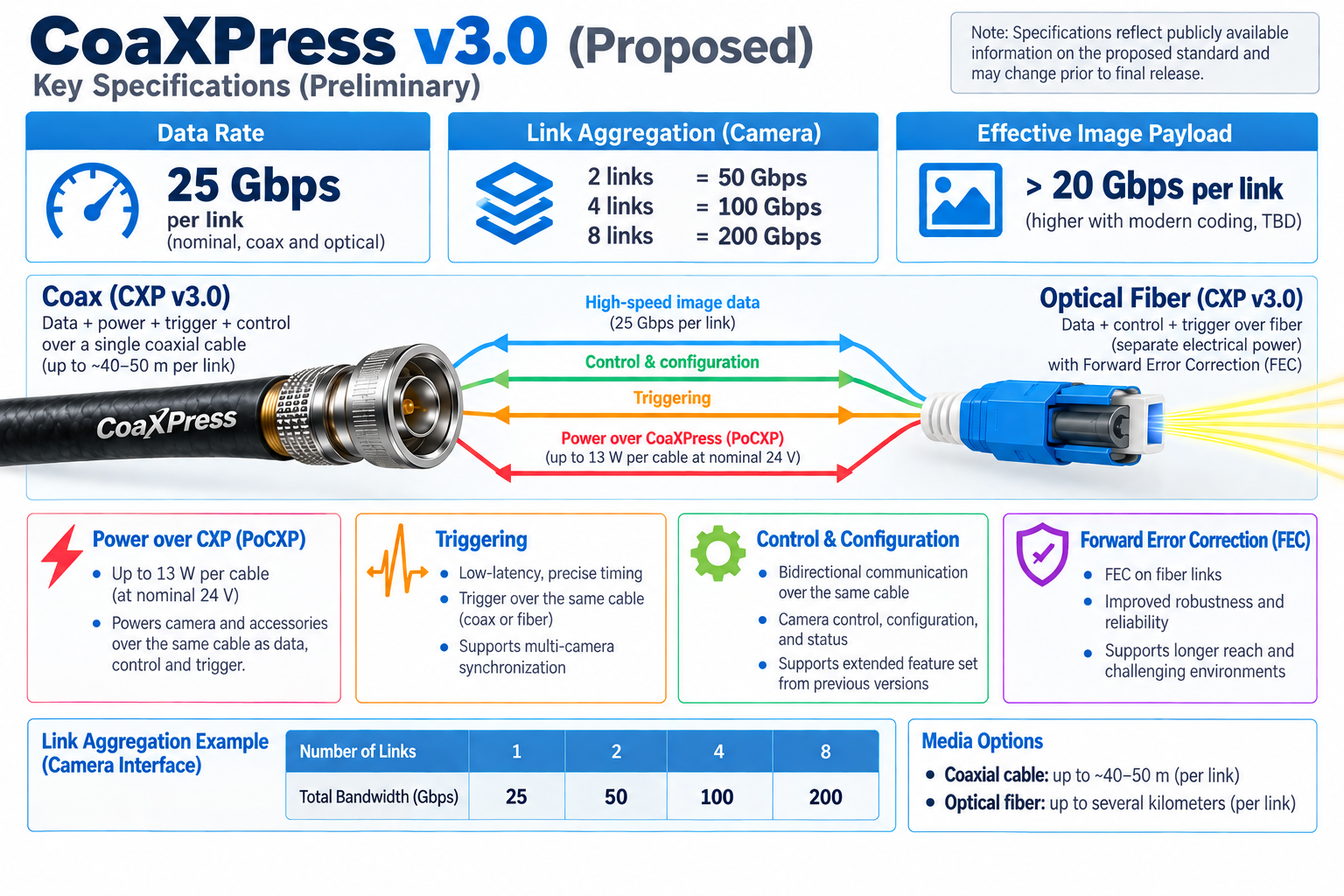
Upon completion of the transaction, research and development teams for BitFlow and Advantech’s North American business development team will work together to launch innovative new 2D and 3D network devices for the industrial imaging market and fast-emerging AI vision sectors. For instance, BitFlow CoaXPress over Fiber (CoF) frame grabbers will make it possible to link Advantech AI cameras and compute devices using low-cost Fiber cables and connectors for transmission speeds that may soon approach 100 Gbps — two times the current CXP standard — to meet the high bandwidth requirements for AI processing.

As one of the founding technologies in factory automation dating back to the 1970s, machine vision is today at the forefront of the Industrial Internet of Things (IIoT) and AI. Machine vision’s capabilities are being drastically expanded by increasingly powerful computing, embedded and IIoT devices at the network edge, and a growing universe of deep learning AI models. This can permit an imaging system to detect incredibly minute defects, such as microscopic anomalies in the bond wires on a circuit board, resulting in enhanced product quality, a significant reduction in waste, and increased production throughput for companies both large and small.

Magic Pao, Associate Vice President of Industrial Cloud & Video Group said, “The application of advanced computer vision has been highly integrated with AI solutions. Over the last three years, in particular, strong growth in industrial AI has become much more evident. However, in the past, Advantech mainly focused on applications for traditional machine vision equipment, providing industrial-grade cameras and frame grabber cards to meet the basic needs of production inspection. But, as the industry moves towards high-end machine vision applications, such as for advanced semiconductor manufacturing and medical imaging, Advantech will need to supplement high-end image acquisition products to fulfill the demands for high-precision advanced vision inspection.”